
By Winnie Chemutai | Special Feature | Bomet County
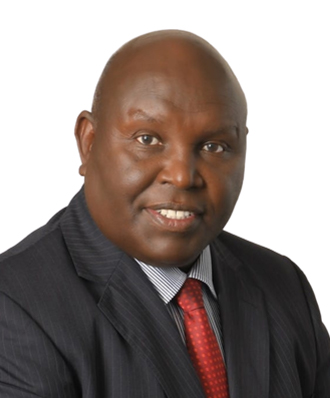
As the 2027 general election edges closer, political temperatures in Kenya are beginning to rise — and in Bomet County, an unmistakable figure is stepping back into the limelight: Hon. Isaac Kiprono Rutto, EGH.
Known nationally as a pioneer of Kenya’s devolution era and locally as a bold, accessible, and results-driven leader, Rutto is steadily reassembling his political machinery. A leader who once stood toe-to-toe with the most powerful forces in the country, Rutto is now widely seen as a frontrunner for a political comeback that could reshape Bomet’s future — and perhaps even re-influence Kenya’s ongoing devolution journey.
“He’s the one who truly brought services closer to the people,” says Chepkemoi, a teacher in Konoin. “When Rutto was in office, even the remotest roads were graded. Health services were expanding. We felt the county government working.”
This growing public sentiment is fueling a belief that 2027 could be Isaac Rutto’s moment of redemption — and not just for him, but for a county that feels it has drifted from the promises of devolution.
The Devolution Architect
Isaac Rutto’s legacy is closely intertwined with Kenya’s 2010 Constitution and the dawn of county governments. As Bomet’s first governor (2013–2017), he wasted no time asserting the power and purpose of devolution. He wasn’t just running a county — he was shaping a new governance framework for an entire country.
During his tenure, Bomet County became a model of early success in devolved development:
- Feeder roads were opened across rural wards.
- Dispensaries and health centres were rehabilitated and equipped.
- The county launched its own ambitious bursary program, benefiting thousands of students.
- Agricultural extension programs and local markets were strengthened.
Rutto also chaired the Council of Governors, leading spirited national campaigns — most notably the Pesa Mashinani initiative, which demanded that a greater share of the national budget be allocated directly to counties.
His courage, eloquence, and ability to challenge centralized power made him a darling of devolution advocates — but it also made him powerful enemies within political circles. In 2017, running under his own party Chama Cha Mashinani (CCM), he narrowly lost to Joyce Laboso in a wave that was more about Jubilee Party loyalty than dissatisfaction with his performance.
Never Really Gone
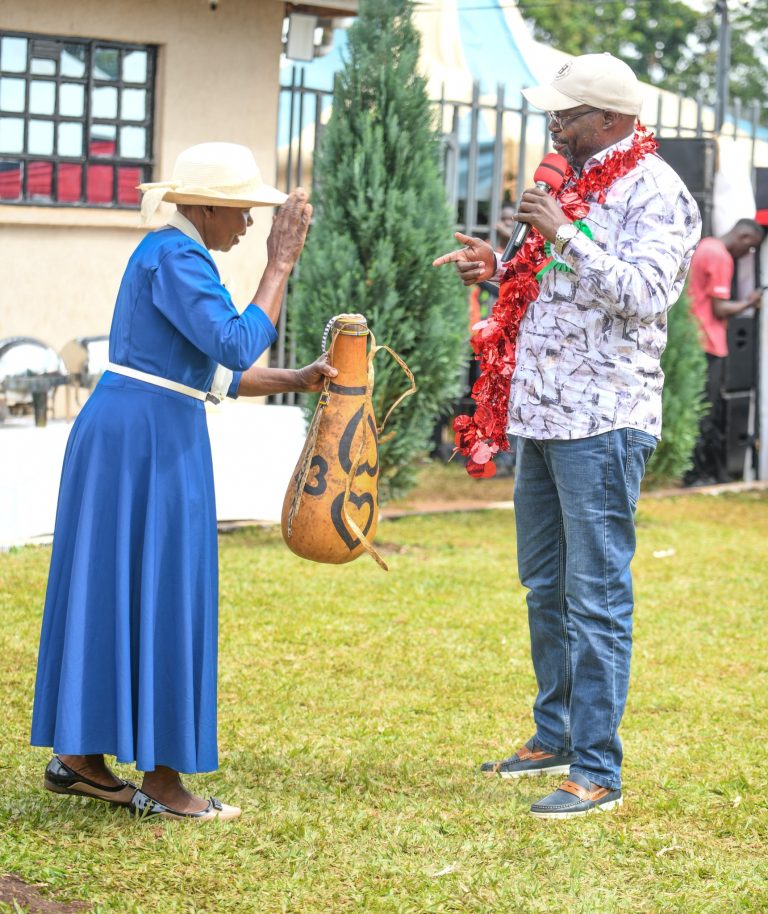
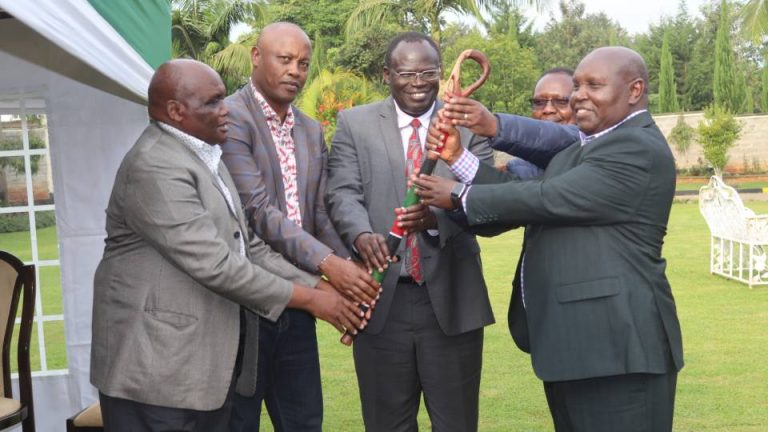
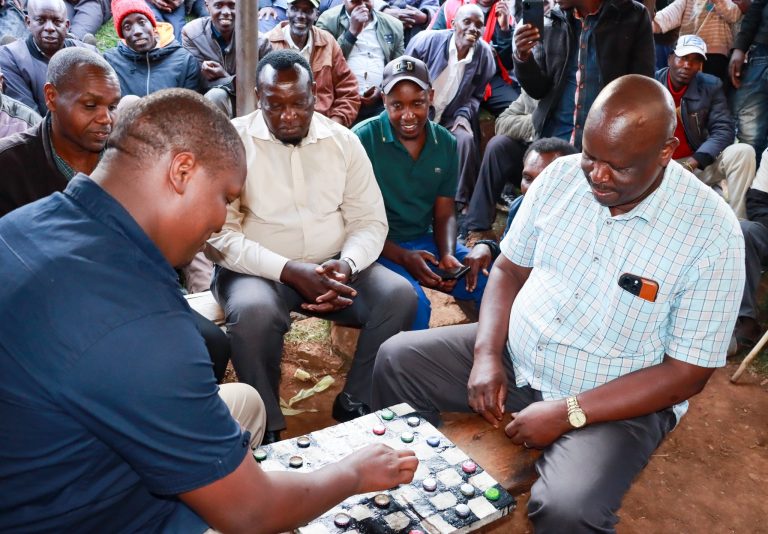
Unlike many politicians who fade into silence after an electoral loss, Rutto remained actively engaged in Bomet affairs. He has attended countless community functions, contributed to local development initiatives, and remained accessible to residents — even without holding office.
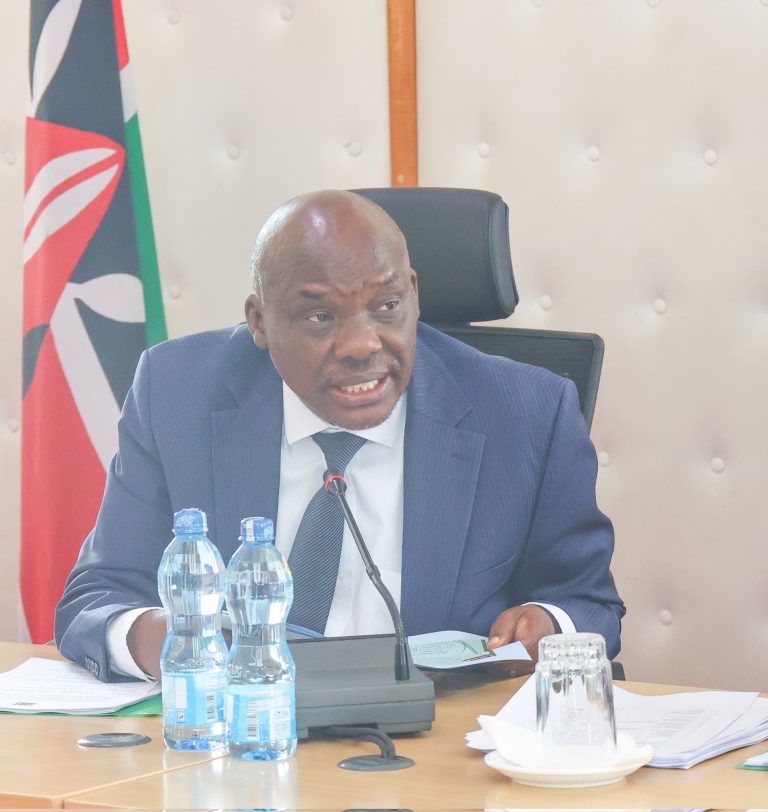
In 2023, his public service profile was elevated further when he was appointed to the Judicial Service Commission (JSC), where he represents the public under Article 171(2)(h) of the Constitution. At JSC, he sits on high-level committees: Human Resource Management, Finance & Planning, and the Administration of Justice.
“We have a man from Bomet helping shape the country’s justice system,” notes Pastor Kirui of Kapkwen. “That tells you something — that he’s trusted, respected, and still relevant.”
This national exposure has not only sustained his influence but also positioned him as a bridge between local needs and national power — a rare advantage in Kenyan politics.
Why 2027 May Be His Year
Several factors make Isaac Rutto a strong contender for the Bomet governorship in 2027:
✅ 1. Track Record of Delivery
Even his critics admit that Rutto’s term had visible and measurable impacts. Roads, water projects, bursaries, and ward-level infrastructure were actively rolled out. His administration was known for being responsive and decentralised — true to the spirit of devolution.
✅ 2. Strategic Grassroots Presence
Since 2017, he has remained present. Whether it’s a funeral in Sigor, a harambee in Bomet Central, or a church dedication in Ndanai, Rutto shows up — not just as a politician, but as a community member.
✅ 3. Rising Voter Discontent
Many voters feel that service delivery has slowed under current leadership. A growing perception is that early progress has stalled, especially in rural areas. Rutto’s reputation as a “development governor” could play strongly in this context.
✅ 4. Non-partisan Positioning
As national parties scramble for alliances and face internal divisions, Rutto’s CCM party offers a neutral, homegrown option — free from external influence and built on the principle of local empowerment.
✅ 5. Youth and Professional Engagement
Rutto is increasingly seen reaching out to youth groups, professionals, and faith-based organizations — a shift from traditional elder-based mobilization. He’s keenly aware of the evolving demographics and political maturity of the Bomet electorate.
From Chepalungu to Nairobi — and Back Again
Born and raised in Chepalungu, Isaac Rutto’s journey from local politics to the national stage has always been rooted in service. With a Bachelor of Arts in Economics, Sociology & Political Science from the University of Nairobi, he brings both education and experience to the table.
From his days as Member of Parliament (1998–2002, 2008–2012) to his work in the JSC today, his career has been defined by a commitment to public accountability, equity, and grassroots inclusion.
As one voter put it:
“We know Rutto. We’ve seen what he can do. We don’t need to guess with him.”
Challenges Ahead
Of course, a comeback is never guaranteed. Rutto will face stiff competition, possibly from both incumbent leaders and emerging youth contenders. He will also need to refresh his messaging, appeal to a new generation of voters, and unite fragmented political voices in the county.
But if early signs are anything to go by, his campaign will be a serious one — and likely grounded in issue-based politics, not personality clashes.
Conclusion: A Familiar Face, A Fresh Mandate?
Isaac Rutto’s return to county politics isn’t driven by nostalgia. It’s being propelled by a community seeking renewed vision and responsive leadership. As Bomet looks to 2027, many see in him not just a former governor — but a proven leader with unfinished business.
And for a county born of the devolution dream, it may just take one of its original architects to complete the blueprint.
2027 may be two years away, but the road to Kapkatet is already alive with expectation — and Isaac Rutto is walking it with purpose.
About the Author