
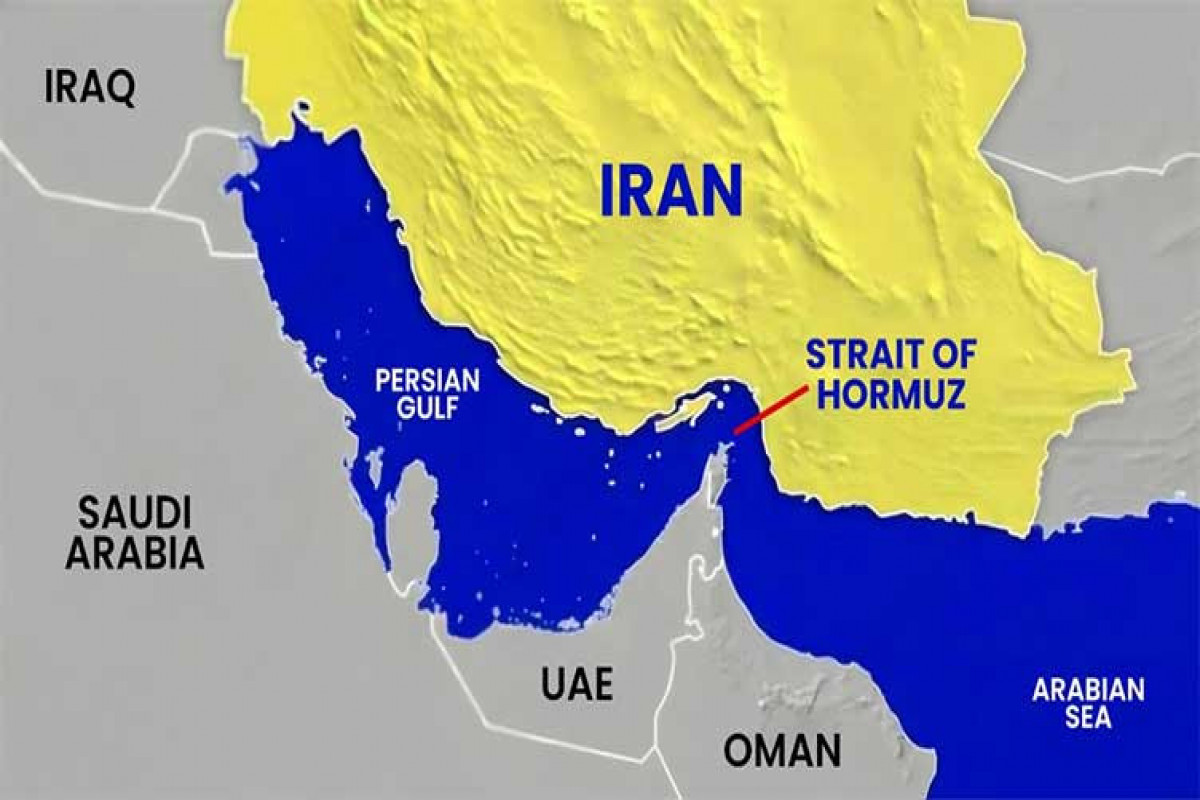
Iran has issued a stark warning that it may close the Strait of Hormuz within the next 2–3 hours, according to confirmed sources. This critical maritime chokepoint handles approximately 20% of the world’s oil supply, making any disruption a significant threat to global energy markets.
The potential closure comes in the wake of recent U.S. airstrikes on Iranian nuclear facilities, which have escalated tensions in the region. Iran’s parliament has approved the measure, and the final decision now rests with the Supreme National Security Council. Revolutionary Guards commander Esmaeil Kousari has stated that shutting the strait would be executed “whenever necessary” to protect national sovereignty and deter further foreign aggression.
Global markets are on edge as they await further developments. Oil prices have already surged in anticipation of potential disruptions, with analysts warning that a full closure could push Brent crude prices to $110 per barrel . Countries heavily reliant on oil imports from the region, such as India and China, are particularly vulnerable to the economic fallout.
The U.S. has issued a worldwide caution, urging all American citizens and businesses to prepare for possible disruptions in the region. The international community is closely monitoring the situation, with many calling for de-escalation to prevent a full-blown crisis.
As the deadline approaches, the world holds its breath, hoping for a peaceful resolution to this escalating conflict.
About the Author